Glycerol Monolaurate (GML): Properties, Functions, and Applications
Date:2026-03-06
Read:
Share:
Glycerol Monolaurate, often abbreviated as GML, is widely used as both an emulsifier and an antimicrobial compound. Glycerol monolaurate occupies a distinctive position in the food ingredient landscape. Unlike most functional additives that address a single defined problem, GML operates simultaneously as an emulsifier, a broad-spectrum antimicrobial agent, and an anti-inflammatory compound — three capabilities that, in most formulations, would require separate ingredients. This makes it a valuable ingredient in a variety of food, beverage, and nutritional products.
This article provides a comprehensive overview of Glycerol Monolaurate, including its properties, functions, applications, and formulation considerations.
What Is Glycerol Monolaurate?
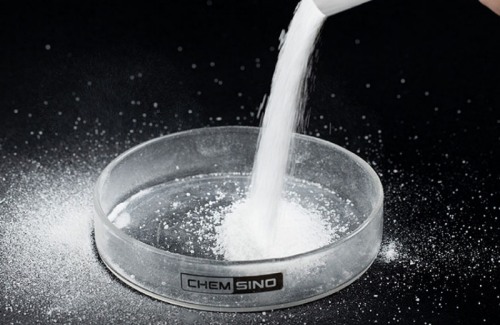
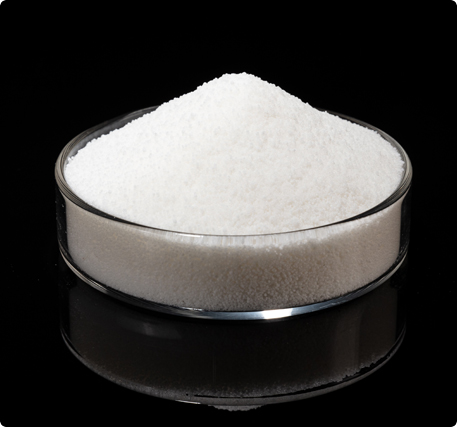
Glycerol monolaurate (GML), also known as monolaurin or glyceryl laurate, is a monoester formed by the esterification of glycerol and lauric acid — a 12-carbon saturated fatty acid. Its molecular formula is C₁₅H₃₀O₄, with CAS number 142-18-7. In commercial form, GML appears as a white to off-white powder or waxy solid with a mild, characteristic odor. It is classified as a nonionic surfactant with a hydrophilic-lipophilic balance (HLB) value of approximately 5.2 — a range suited for water-in-oil emulsification and, critically, for interaction with microbial lipid membranes.
Commercially, GML is produced through direct esterification of glycerol and lauric acid, or through glycerolysis of methyl laurate or coconut-derived laurate fractions. Purity grade is a consequential specification: GML 40% — a mixture with mono- and diglycerides — is adequate for food emulsification applications where cost efficiency is the primary consideration. GML 90% (distilled monoglyceride) delivers higher antimicrobial potency per unit weight and a more precisely defined compositional profile, making it the appropriate choice for preservation applications, nutraceutical products, and formulations where label transparency is a priority.
How Glycerol Monolaurate Works?
Glycerol Monolaurate first functions as an effective emulsifier in food systems. Its molecular structure contains both a hydrophilic (water-loving) glycerol part and a hydrophobic (fat-loving) lauric acid chain, which allows it to position itself at the interface between oil and water. Reducing the surface tension between these two phases, it helps disperse oil droplets evenly in water and prevents them from separating over time. At the same time, glyceryl monolaurate can interact with the lipid membranes of certain microorganisms, disrupting their structure and inhibiting their growth. Because of this dual functionality, it is widely used in foods to improve emulsion stability while also helping extend shelf life by controlling microbial activity.
Applications of Glycerol Monolaurate
Because of its dual functionality as both an emulsifier and a mild antimicrobial agent, glyceryl monolaurate is widely used in several food and nutrition applications. It helps improve product stability while also contributing to better shelf life and product safety.
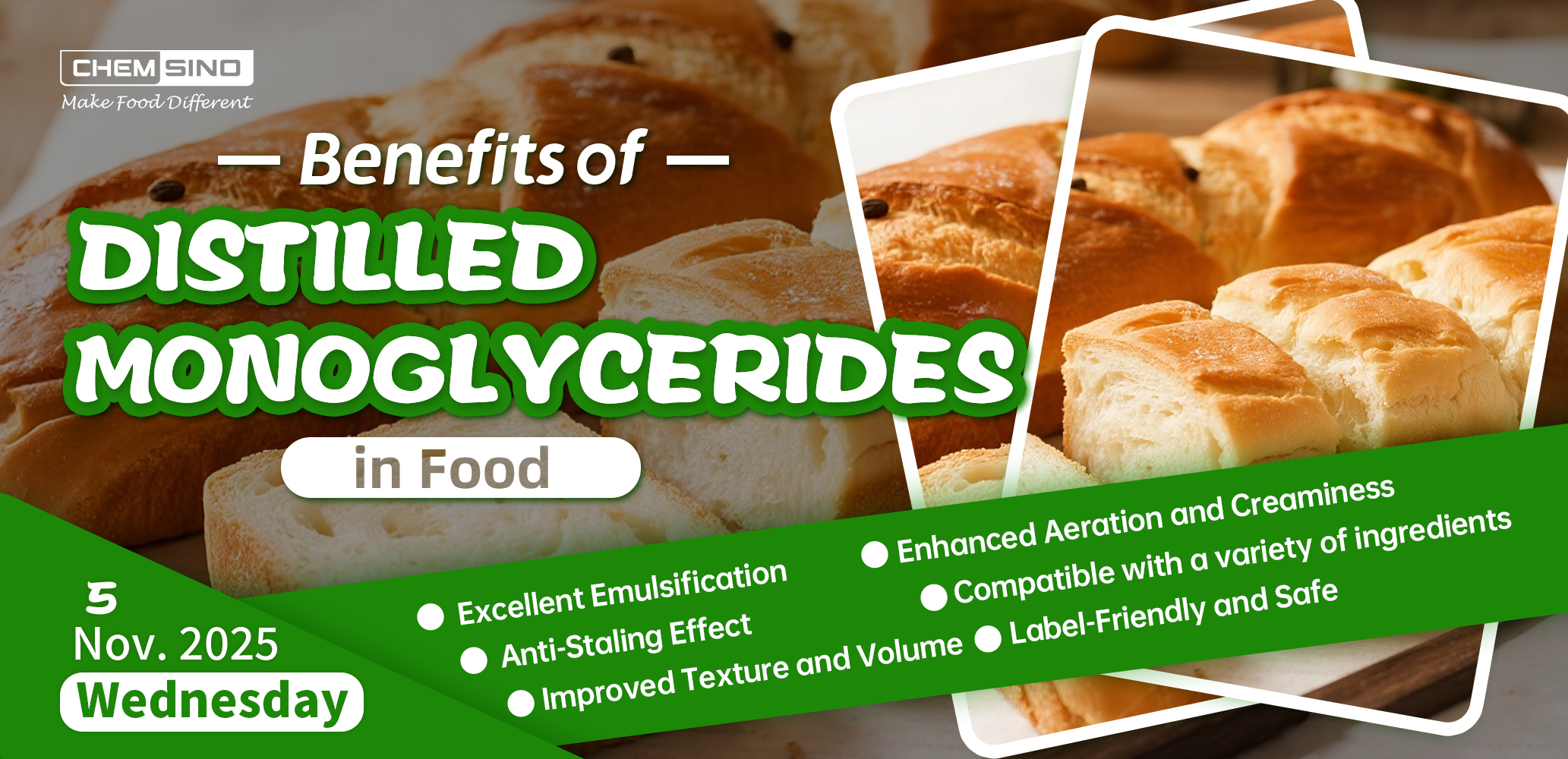
In the bakery industry, glyceryl monolaurate is often used in products such as bread, cakes, and pastries. It helps improve dough stability, supports a more uniform crumb structure, and slows the growth of spoilage microorganisms. This can help bakery manufacturers maintain freshness for a longer period during storage and distribution.
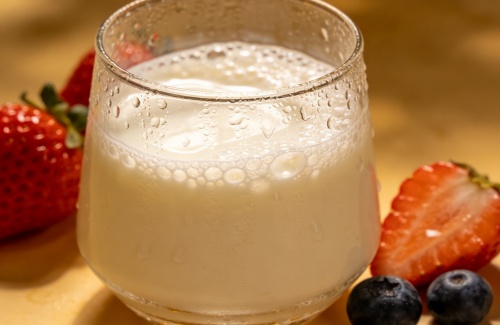
In dairy products, including processed cheese, cream-based sauces, and dairy beverages, glyceryl monolaurate helps stabilize oil and water mixtures. Improving emulsion stability, it helps maintain a smooth texture and prevents phase separation during shelf life.
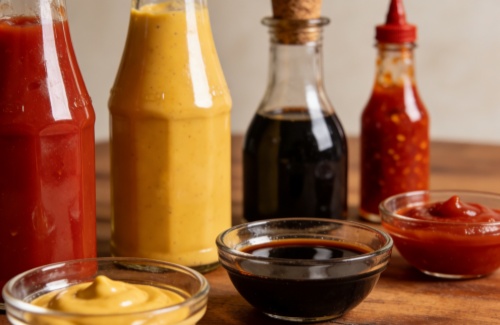
It is also commonly used in sauces, dressings, and condiments. In these formulations, glyceryl monolaurate supports stable emulsions and helps maintain a consistent texture. At the same time, its antimicrobial properties help control the growth of certain bacteria and yeast in acidic or semi-acidic environments.
In the functional food and nutritional product sector, glyceryl monolaurate is increasingly used in nutritional drinks, dietary supplements, and specialized health products. Its compatibility with lipid systems and its functional antimicrobial properties make it attractive for products designed to support gut health and overall wellness.
Beyond food, glyceryl monolaurate is also applied in cosmetics, personal care products, and pharmaceutical formulations. In these industries, it can function as an emulsifier, stabilizer, and antimicrobial ingredient in creams, lotions, and topical preparations.
Because of this wide range of functional benefits, glyceryl monolaurate has become an important ingredient for manufacturers looking to improve emulsion stability, extend shelf life, and enhance the overall quality of modern food and nutrition products.
Formulation Considerations for Manufacturers
Grade Selection
The choice between GML 40% and GML 90% is the most consequential specification decision in formulation. GML 40% — a mixture of monoglycerides with lauric acid-dominant composition — is adequate for emulsification and texture applications where cost efficiency takes priority. GML 90% (distilled monoglyceride) delivers higher antimicrobial potency per unit weight and a more precisely defined compositional profile. It is the appropriate choice for preservation-focused formulations, nutraceutical products, and any application where label transparency requires a more specifically characterized ingredient. Substituting GML 90% for GML 40% in a preservation context is not simply a cost upgrade — the difference in active monolaurate content is significant enough to affect dose-response meaningfully.
Solubility and Dispersion
GML is lipophilic with limited water solubility at ambient temperature — approximately 100 μg/ml in aqueous systems at 37°C. For liquid food applications, effective dispersion is typically achieved by dissolving GML in a small volume of ethanol or warm oil, or by dispersing directly in water at 70 to 90°C before addition to the bulk formulation. In powder systems, GML can be spray-dried onto a carrier or dry-blended, though particle size and carrier selection affect distribution uniformity and release rate. For applications where reliable aqueous dispersion is critical — particularly beverages and liquid dairy products — purpose-formulated dispersible GML grades are available and should be evaluated rather than adapting a standard powder grade.
Compatibility and Synergy
GML is broadly compatible with other food ingredients but has meaningful interactions at emulsion interfaces with proteins and certain polysaccharides. In systems where protein-based emulsifiers — whey or soy protein, for example — are the primary surface-active components, GML may compete for interface coverage. The net effect on emulsion stability is formulation-specific and should be evaluated empirically rather than assumed. In preservation systems, pH is a critical co-variable: lower pH enhances GML's activity against gram-negative organisms that would otherwise be shielded by intact LPS, and synergistic effects with nisin, natamycin, and organic acid preservatives are well documented. These combinations allow the target preservation performance to be achieved at lower individual concentrations of each ingredient — an outcome that is directly relevant for both cost management and label optimization.
Sourcing and Certification
For brand owners positioning products in health-conscious or clean-label markets, the source of the lauric acid used to produce GML is a relevant specification. Coconut-derived GML supports transparent labeling that is familiar and positively received by consumers seeking plant-based, recognizable ingredients. Palm kernel-derived GML is functionally equivalent but is subject to sustainability scrutiny in markets where certified sustainable palm is a purchasing criterion. Standard documentation requirements from any supplier should include food-grade certificates of analysis, halal and kosher certification where applicable, allergen declarations, and country-of-origin traceability. For products targeting clinical nutrition, infant formula, or novel food classifications in specific jurisdictions, additional regulatory documentation will be required.
Final Thoughts
Glycerol Monolaurate is a versatile ingredient that combines emulsification performance with antimicrobial properties. By helping stabilize oil-and-water systems and supporting microbial control, it contributes to product quality, safety, and shelf life in many food applications. From baked goods and sauces to nutritional beverages and functional foods, Glyceryl Monolaurate offers practical advantages for manufacturers looking to create stable and reliable products.
Contact CHEMSINO to request technical data sheets, purity specifications, or formulation guidance for GML 40% and GML 90% across food, supplement, and animal nutrition applications.