Home
Products
Emulsifier List
Application
Gallery
News
Blog
About Us
About Us
Contact Us
Your Position : Home > Blog

Citric Acid Esters of Mono- and Diglycerides (CITREM) in Food

Date:2026-03-13
Read:
Share:
Citric Acid Esters of Mono- and Diglycerides (CITREM) are versatile food additives widely used in the food industry for their emulsifying properties. Derived from the reaction between citric acid and mono- or diglycerides, CITREM plays a crucial role in enhancing the texture, stability, and shelf life of a variety of food products. With an increasing demand for cleaner and more functional ingredients, CITREM offers significant advantages for both food manufacturers and consumers alike.
 

What Is CITREM (E472c)?


Citric Acid Esters of Mono- and Diglycerides — commonly known as CITREM or by its EU food additive code E472c — are a class of food-grade emulsifiers produced through the esterification of citric acid with mono- and diglycerides of fatty acids. The resulting compound brings together the lipophilic characteristics of monoglycerides with the hydrophilic functionality of citric acid, creating a uniquely balanced, multifunctional additive widely used across the global food industry.

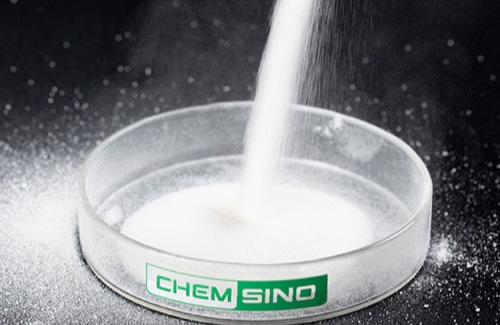
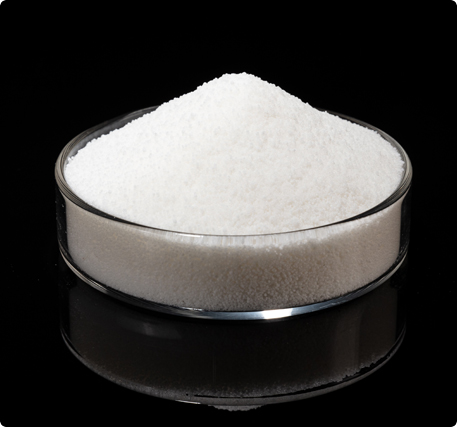
CITREM typically appears as a white to off-white powder with a characteristic mild fatty odor. Its HLB (Hydrophilic-Lipophilic Balance) value generally ranges from 3 to 8, placing it on the more lipophilic end of the spectrum — yet with sufficient hydrophilicity to stabilize oil-in-water emulsions effectively. This balance is the central reason for CITREM's broad applicability in food formulation.

CITREM


How Is CITREM Produced?


CITREM is manufactured through a well-controlled esterification reaction between citric acid and a blend of mono- and diglycerides derived from edible vegetable oils (most commonly palm, sunflower, or soybean oil). The process involves:

Glycerolysis of vegetable fats to produce mono- and diglycerides
Controlled esterification with anhydrous citric acid under heat
Purification and cooling to produce the final powder or pellet form

The degree of esterification — meaning how much citric acid is bound — directly influences the product's HLB value, solubility behavior, and functional performance. At Chemsino, our CITREM is manufactured under ISO 9001 and ISO 22000 certified quality management systems, with Halal, Kosher, and RSPO certifications available for all major product grades.


Applications of CITREM in Food


CITREM has a wide range of applications in various food products. Some of the most common uses include:

Baked Goods: CITREM helps improve the volume, texture, and shelf life of baked goods. It enhances dough handling, ensuring a smooth and consistent product. It also aids in the uniform distribution of fats and oils, contributing to a tender crumb structure.

Dairy Products: In dairy products such as ice cream and whipped cream, CITREM acts as an emulsifier that enhances creaminess and stabilizes the mixture, preventing separation during storage or after freezing.

Ice cream

Sauces and Dressings: CITREM is a key ingredient in salad dressings, mayonnaise, and other emulsified sauces. It helps maintain the smooth texture and stability of these products, preventing phase separation.

Confectionery Products: In the confectionery industry, CITREM improves the texture of chocolate, candies, and other confections by maintaining smooth consistency and extending shelf life.

Fried Foods: CITREM is also used in fried foods to enhance the oil-water distribution, preventing excessive oil absorption and improving the overall texture of fried products.


Recommended Dosage Guidelines


CITREM usage levels vary depending on the application, target functionality, and regulatory requirements of the destination market. The following are typical usage ranges as a general guidance for food formulators:
 
Application Typical Dosage Basis
Bread and rolls 0.2% – 0.5% On flour weight
Cakes and pastries 0.3% – 0.6% On flour weight
Margarine 0.1% – 0.5% On total fat weight
Soft candies /confectionery 0.2% – 0.5% On product weight
Non-dairy creamers 0.3% – 1.0% On product weight
Sauces and dressings 0.2% – 0.8% On product weight

Note: These dosage recommendations serve as a starting point. Optimal usage levels should be determined through application trials, as factors such as formulation complexity, processing conditions, and local regulatory limits may require adjustments. Chemsino's technical team is available to support application development and dosage optimization.


CITREM vs. Other Common Emulsifiers


Food manufacturers often face the question of which emulsifier — or combination of emulsifiers — best suits their formulation. Here is how CITREM compares with other widely used emulsifiers:
 

CITREM vs. DATEM (E472e)


Both CITREM and DATEM (Diacetyl Tartaric Acid Esters of Mono- and Diglycerides) are effective dough conditioners in bread production. DATEM is particularly strong at strengthening the gluten network and improving loaf volume, while CITREM excels in anti-staling (crumb softness over time) and fat crystal modification. They are frequently used together in synergistic bread improver blends to achieve both volume and freshness goals simultaneously.
 

CITREM vs. SSL (Sodium Stearoyl Lactylate)


SSL is a strong dough conditioner with excellent crumb softening properties and is highly effective in yeast-leavened products. CITREM offers a complementary profile with stronger fat-crystal modification properties and antioxidant chelation effects. CITREM is the preferred choice when product stability in fat-containing systems (e.g., margarine or fat-rich pastry) is the primary concern.
 

CITREM vs. Distilled Monoglycerides (DMG/GMS)


Distilled monoglycerides are among the most commonly used emulsifiers globally, offering broad functionality. CITREM differs in that its citric acid esterification gives it greater water dispersibility and additional antioxidant properties. For applications requiring both emulsification and antioxidant protection — such as in long shelf-life bakery products or fat spreads — CITREM offers distinct advantages over simple monoglycerides.
 

Conclusion


Citric Acid Esters of Mono- and Diglycerides (CITREM, E472c) represent a highly versatile and functionally rich food emulsifier with applications spanning bread and pastry, margarine, confectionery, dairy products, sauces, and the rapidly expanding plant-based food segment. Its unique combination of emulsification, dough conditioning, fat crystal modification, starch complexation, and antioxidant synergy makes it an ingredient of significant value to food manufacturers seeking to improve product quality, consistency, and shelf life.

Chemsino is committed to supplying food-grade CITREM of the highest quality, backed by certified manufacturing processes, expert technical support, and a global logistics network. Whether you are formulating a new product or optimizing an existing one, CITREM from Chemsino offers the performance and reliability your production demands.
Start earning substantial
profits in your country today!
Email
Whatsapp