Home
Products
Emulsifier List
Application
Gallery
News
Blog
About Us
About Us
Contact Us
Your Position : Home > Blog

Best Emulsifiers for Superior Whipping Results in Sponge Cakes

Date:2025-03-12
Read:
Share:
Sponge cakes are a beloved dessert worldwide, known for their light, airy texture and delicate crumb. However, achieving that perfect rise and softness can be challenging. One of the unsung heroes in sponge cake baking is the emulsifier. These ingredients are essential for creating the ideal structure, texture, and volume.

In this blog, we’ll explore the science of emulsifiers in sponge cake aeration. Also, CHEMSINO experts recommend suitable emulsifiers for cakes to achieve the best whipping results.

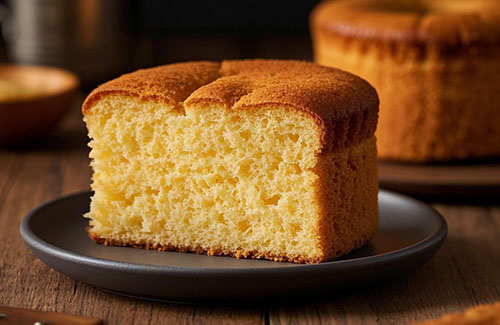
sponge cake


What is an Emulsifier and Why Do Sponge Cakes Need Emulsifiers?


An emulsifier is a substance that helps mix two ingredients that typically don’t combine well, such as oil and water. It works by reducing the surface tension between these substances, allowing them to blend into a stable, uniform mixture. In baking, emulsifiers are crucial for creating smooth batters, stabilizing air bubbles, and improving the texture and shelf life of baked goods.

Sponge cakes rely heavily on aeration for their texture. Without emulsifiers, the air bubbles in the batter can collapse, leading to a dense, flat cake. Emulsifiers also help distribute fat and moisture evenly throughout the batter, ensuring a consistent texture and preventing dry or crumbly spots.

Additionally, emulsifiers improve the shelf life of sponge cakes by retaining moisture, keeping them soft and fresh for longer. Whether you’re baking a classic Victoria sponge or a modern chiffon cake, emulsifiers are key to achieving the perfect result.


Recommended Emulsifiers for Excellent Sponge Cake Aeration: LACTEM, PGMS, SSL


1. Lactem E472b (Lactic Acid Esters of Mono and Diglycerides)


Features:
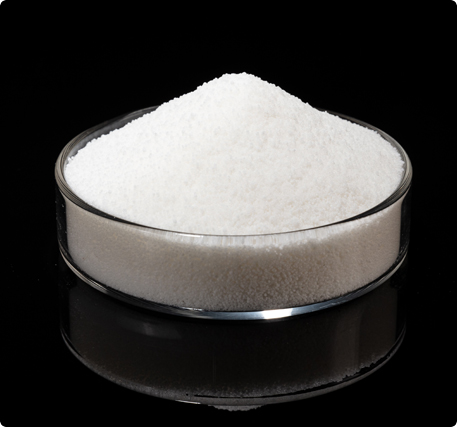
LACTEM is an emulsifier derived from lactic acid and mono- and diglycerides, known for its excellent hydrophilic and lipophilic properties.
Lactem E472b effectively stabilizes air bubbles in the batter, enhancing the cake’s volume and fluffiness.
LACTEM emulsifier also improves moisture retention, resulting in a softer texture and extended shelf life.


Lactem E472b Application in Sponge Cakes:


LACTEM emulsifier is particularly suitable for sponge cakes that require high aeration. It can stabilize the egg foam and prevent bubbles from collapsing during baking.

Cakes made with LACTEM emulsifier have a fine, delicate crumb and a light, airy texture. Lactem emulsifier is ideal for classic sponge or chiffon cakes.

Recommended Usage: Typically 0.3%-0.5% of the flour weight.

lactem emulsifier


2. PGMS E477 (Propylene Glycol Esters)


Features:
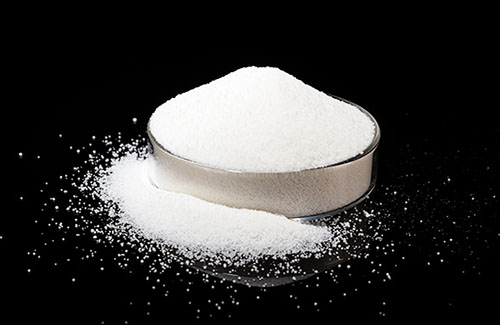
PGMS E477 is a highly effective non-ionic emulsifier with excellent foaming and foam-stabilizing properties.
Propylene Glycol Monostearate significantly improves the batter’s ability to retain air, resulting in a lighter and more voluminous cake.
PGMS emulsifier also enhances the cake’s texture, making it softer and more tender.


PGMS E477 Application in Sponge Cakes:


PGMS E477 is ideal for sponge cakes that require high aeration, as it increases the elasticity and stability of the batter, ensuring even expansion during baking.

Cakes made with PGMS have a larger volume and a softer, more delicate crumb, making it suitable for high-ratio sponge cakes (those with more sugar than flour).

Recommended Usage: Typically 0.2%-0.4% of the flour weight.


3. SSL E481 (Sodium Stearoyl Lactylate)


Features:
SSL is an anionic emulsifier known for its excellent emulsifying, foaming, and foam-stabilizing properties.
Sodium Stearoyl Lactylate strengthens the batter’s structure, improving the cake’s texture and crumb.
SSL emulsifier also enhances moisture retention, extending the cake’s shelf life.


SSL E481 Application in Sponge Cakes:

Sodium Stearoyl Lactylate is particularly suitable for sponge cakes that require high stability, as it improves the batter’s ability to retain air and prevents the cake from collapsing during baking.

Cakes made with SSL emulsifier have a uniform texture and a soft, tender crumb. Sodium Stearoyl Lactylate is ideal for commercial sponge cakes that require a longer shelf life.

Recommended Usage: Typically 0.2%-0.5% of the flour weight.


Conclusion


Lactic Acid Esters of Mono and Diglycerides (Lactem E472b), Propylene Glycol Esters (PGMS E477), and Sodium Stearoyl Lactylate (SSL E481) are essential food emulsifiers in sponge cakes. They can significantly enhance the texture, softness, and stability of sponge cakes. These food emulsifiers not only improve air retention and structure but also contribute to extended shelf life and moisture retention.

For premium-quality food emulsifiers, connect with CHEMSINO, a trusted supplier of emulsifiers for baking applications. Contact us today for expert guidance and 500g free samples for testing!
Related Blog
What Emulsifiers Are Used In Confectionery And Chocolate
03 Jun 2024
Confectionery manufacturers are deeply committed to crafting confections of unmatched quality, both in appearance and taste. At the core of this dedication lies the strategic use of emulsifiers. In our blog, we'll explore the crucial role of emulsifiers in confectionery, discussing how they enhance the quality and consistency of sweets. We'll also provide examples of commonly used emulsifiers in confectionery and chocolate.
What to Know About Propylene Glycol in Foods
10 Apr 2024
Propylene glycol is produced industrially through the hydration of propylene oxide. It has almost no taste and is a chemically synthesized food additive, belonging to the alcohol class of substances, similar to ethanol. Propylene glycol e1520 is widely used in various industries such as food, pharmaceuticals, cosmetics, tobacco, and others. This is because it possesses properties like stabilizing, solidifying, anticaking, defoaming, emulsifying, humectant, and thickening. These properties make it valuable for a range of applications in these industries.
emulsifiers used in baked goods
How Emulsifiers are Used in Bread, Biscuits, and Cakes?
07 Jul 2025
Emulsifiers enable otherwise incompatible ingredients—like water and oil—to blend smoothly. In baking, their role extends far beyond simple mixing. They improve dough behavior, stabilize structure, enhance softness, and significantly extend shelf life. This article explores the vital role of emulsifiers in bread, biscuit, and cake production—and how the right emulsifier can transform your product.
Start earning substantial
profits in your country today!
Email
Whatsapp