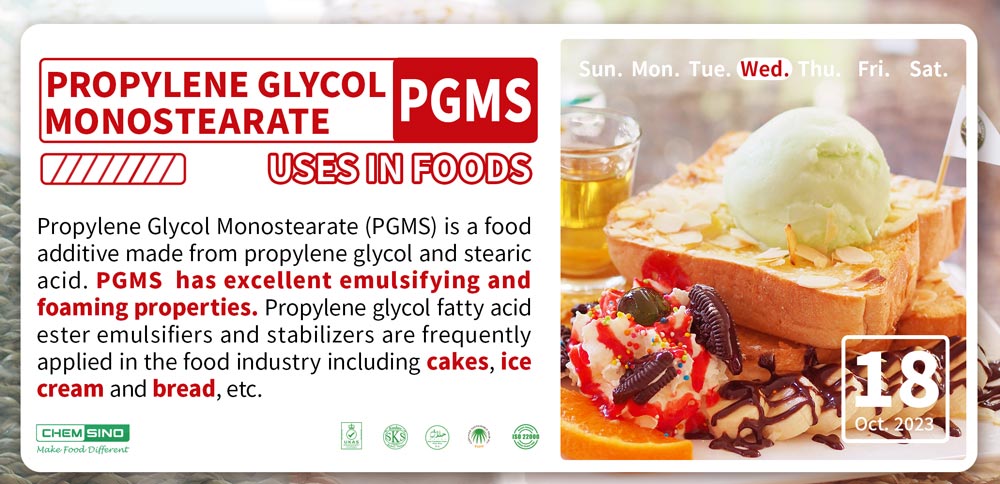
Commercial bakeries can't afford ingredients that behave differently every time. Liquid cream varies by season and supplier — whipping cream powder, made to a fixed spec, doesn't. It whips the same way every time, stores at room temperature for months, and holds up on a display shelf far longer than fresh cream ever could.
But not all whipping cream powders are equal. Here's what actually separates a reliable product from one that causes problems down the line.
What to Check Before You Order
Whip time and overrun. A powder that takes twice as long to whip costs you in labor. Overrun — the volume gained from whipping — affects how much finished product you get per kilogram. Ask suppliers for both numbers under standard conditions, then verify with a trial batch.
Heat stability. If your decorations sit on a display shelf for hours at room temperature, the cream needs to hold its shape that long. This depends on the stabilizer blend (usually carrageenan and xanthan gum) and the fat's melting profile. Ask for stability data at 25–30°C, not just refrigerated.
Taste. Lower-cost powders with high vegetable fat content often leave a waxy or overly sweet aftertaste. Spec sheets don't catch this — taste-test before scaling up.
Freeze-thaw performance. If you freeze decorated products or pre-whip in batches, check that the cream doesn't separate or turn grainy after thawing.
Allergen profile. Most whipping cream powders are dairy-based, but lactose-free and non-dairy versions exist. Confirm the allergen declaration matches your labeling needs.
The Real Reason Whip Performance Varies
Bakeries often see one batch of powder whip beautifully, and the next one underperform — same recipe, same process, different result. The cause is almost always the emulsifier system, which doesn't show up on the front label but does most of the work.
Two emulsifiers matter most:
# Sodium Stearoyl Lactylate (SSL) helps air incorporate and stay incorporated — faster whip time, more stable volume.
# Mono- and Diglycerides (GMS) control how fat crystallizes during whipping, which determines whether the foam holds or collapses.
When results are inconsistent, this is the first place to look — and it's the part of the formulation most bakeries never get to see.
CHEMSINO has been manufacturing food-grade emulsifiers — including SSL and GMS — for dairy and bakery applications for over a decade. It's the only thing we do, which is why our lot-to-lot consistency holds up at scale. Powder manufacturers building whipping cream formulations on our emulsifiers don't have to treat consistency as a variable.
What a Good Supplier Should Provide
# A Certificate of Analysis with actual test results per lot, not a generic spec sheet
# Whip time and overrun data under standard test conditions
# Heat stability data at realistic display temperatures
# Allergen statements matching your region's labeling rules
# Shelf life backed by real storage data, not estimates
If a supplier can't provide this, treat it as a warning sign — for the powder, and for whatever's behind it.
Common Problems, Quick Diagnosis
| Problem |
Likely Cause |
| Whip time varies between batches |
Emulsifier lot inconsistency |
| Decorations collapse on display |
Weak stabilizer blend or poor heat stability |
| Waxy or off taste |
High vegetable fat content |
| Grainy after freezing |
Poor freeze-thaw stability in emulsifier/stabilizer |
| Powder clumps before use |
Moisture exposure during storage |
Most of these come down to the emulsifier system or storage — both fixable with the right sourcing.
Sourcing That Holds Up
For bakeries and powder manufacturers alike, the emulsifier supply chain is usually the weakest link — not because emulsifiers are hard to make, but because consistency at scale takes dedicated focus.
CHEMSINO supplies SSL, GMS, and custom emulsifier blends built for whipping performance, heat stability, and freeze-thaw tolerance — with full documentation on every batch and a technical team that helps troubleshoot formulations, not just fill orders.

 Emulsifier List
 About Us