Home
Products
Emulsifier List
Application
Gallery
News
Blog
About Us
About Us
Contact Us
English
Your Position : Home > Blog

Polyglycerol Esters of Fatty Acids (PGE) - A Complete Overview

Date:2025-10-17
Read:
Share:
Polyglycerol Esters of Fatty Acids, or PGE, are a versatile class of synthetic, non-ionic surfactants used extensively in the food, cosmetic, and pharmaceutical industries. In the food industry, they are known by the European food additive code E475. They are produced by combining polyglycerol (a polymer of glycerol) with edible fatty acids derived from vegetable oils.

This unique molecular structure—partly water-loving (hydrophilic) and partly oil-loving (lipophilic)—allows PGE to bridge oil and water, creating smooth, stable emulsions in foods where consistency and texture matter most. In short, PGE keeps your food looking good, tasting better, and lasting longer.


What Are Polyglycerol Esters of Fatty Acids (PGE)?


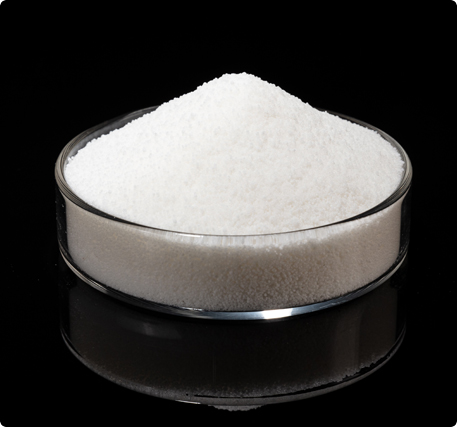
# Appearance: It is typically available as a pale yellow powder, granules, or waxy solid.

# Chemical Nature: E475 is produced by reacting polyglycerols with fatty acids or edible oils. Polyglycerol is formed by polymerizing glycerol, creating chains of varying lengths.

# Amphiphilic Structure: PGE has both a water-loving (hydrophilic) part, derived from the polyglycerol chain, and an oil-loving (lipophilic) part, derived from the fatty acid chain. This allows them to effectively act as emulsifiers, blending ingredients like oil and water that would otherwise separate.

# Customizable Properties: The properties of PGE can be controlled by adjusting the degree of glycerol polymerization and the type of fatty acids used. This results in a wide range of products with different Hydrophilic-Lipophilic Balance (HLB) values, suitable for various applications. 

Polyglycerol-esters-of-fatty-acids-pge-e475-chemsino


Production Process


The production of PGEs involves a two-step chemical synthesis:
 
1. Polyglycerol Preparation: Glycerol is heated with an alkaline catalyst (e.g., sodium hydroxide) to high temperatures (around 200°C) to undergo polymerization. This process creates a mixture of polyglycerols, such as diglycerol and triglycerol.
2. Esterification: The resulting polyglycerol is reacted with fatty acids from sources such as palm oil, soybean oil, or castor oil. Common fatty acids used include palmitic, stearic, and oleic acid.

Key Parameters: Varying the degree of polymerization of the polyglycerol and the type of fatty acids allows for precise control over the final product's HLB value. 


Functional Properties


PGE is valued for its diverse functional benefits:

# Emulsification: Their primary function is to lower the interfacial tension between oil and water, creating stable emulsions.

# Stabilization: They prevent phase separation over time, increasing the shelf life of products.

# Foaming and Aeration: In baked goods and whipped toppings, PGE enhances foam stability and increases the aeration of the product, resulting in a larger volume.

# Anti-Staling: In bread and other baked goods, PGE helps slow down starch retrogradation, keeping products softer for longer and extending their freshness.

# Crystal Modification: They can improve the crystalline structure in products such as margarine, shortening, and chocolate, preventing oil separation and bloom. 


Key Applications of PGE in Various Industries


Food Industry


Bakery: Enhances dough handling, volume, and texture in bread, cakes, and pastries.
Dairy and Ice Cream: Creates a smoother texture in ice cream by preventing large ice crystal formation. Provides long-term stability for whipped toppings and helps emulsify low-fat spreads.
Margarine and Spreads: Acts as an emulsifier and crystal modifier to prevent oil-water separation.
Confectionery: Creates a smooth, creamy texture in chocolates and caramel, and prevents fat bloom.
Processed Meats: Used as a preservative and stabilizer to avoid starch aging and improve texture.
Low-Fat Foods: Enable the creation of stable high-water-content emulsions, which can be used to reduce the total calorie content of products.

Polyglycerol-esters-of-fatty-acids-pge-in bakery-products


Cosmetics and Personal Care


Emulsifying Agent: Blends oil and water components in creams, lotions, and sunscreens for a consistent texture.
Moisturizer: Helps maintain skin hydration and provides a soft, smooth feel.
Mildness: Gentle on the skin, making it suitable for sensitive skin products.


Pharmaceuticals


Excipient: Functions as a lipid-based excipient to improve the solubility and bioavailability of certain drugs.
 

Safety Regulations and Health Considerations


Polyglycerol Esters of Fatty Acids (E475) are approved worldwide for use in foods. They are recognized as safe (GRAS) by the U.S. FDA and included in the European Union’s food additive list.

Typical usage levels range from 0.2% to 1.0%, depending on product type and formulation requirements.

When labeling, PGE is typically listed as “Polyglycerol Esters of Fatty Acids” or simply “E475.” 


Why Food Manufacturers Choose PGE?


For product developers and formulators, PGE offers a simple advantage — reliability.

It delivers consistent results across multiple applications, from soft bread and creamy desserts to stable sauces and glossy coatings. It’s cost-effective, easy to blend, and supports clean, plant-based labeling trends.

In other words, PGE is the emulsifier you can trust to perform — every time.


Final Thoughts


Polyglycerol Esters of Fatty Acids (PGE) are a versatile, efficient, and safe emulsifier solution widely adopted by food manufacturers worldwide. Whether you’re formulating baked goods, dairy emulsions, or margarine, PGE helps deliver consistent product quality, smooth texture, and long shelf life. 

If you are looking for high-quality PGE ingredients, CHEMSINO offers customized emulsifier solutions to meet your specific production needs. Contact us today to learn more about our full range of food emulsifiers and how we can help optimize your formulations.
Start Earning Substantial
Profits in Your Country Today!
Email
Whatsapp