
Home
Products
Emulsifier List
Application
Gallery
News
Blog
About Us
About Us
Contact Us
Your Position : Home > Blog

Mono and Diglycerides in Ice Cream

Date:2023-10-27
Read:
Share:
Ice cream, a beloved treat enjoyed by people of all ages, is known for its rich and creamy texture. What gives ice cream that wonderful consistency? One of the key ingredients responsible for this is mono and diglycerides emulsifier E471. In this article, we'll explore what mono and diglycerides are, their role in ice cream production, and whether you should be concerned about them in your favorite frozen dessert. 
 

What Are Mono and Diglycerides?

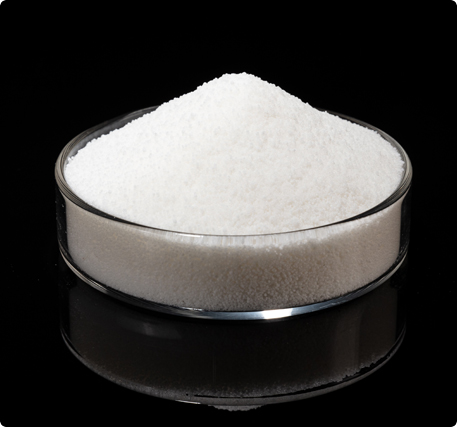
Mono and diglycerides(DMG) are types of significant emulsifiers, it is white and off-white color, and has the forms of powder, flakes, and beads, which are substances that help mix ingredients that would normally repel each other, like oil and water. These emulsifiers are typically made from vegetable oils, such as soybean, palm, or sunflower oil. Their main purpose in ice cream production is to improve the texture and stability of the final product.

Mono and Diglycerides  DMG


The Role of Mono and Diglycerides in Ice Cream

Ice cream is a complex mixture of ingredients, including milk or cream, sugar, flavorings, and air. Achieving the right texture and consistency in ice cream can be a challenge due to the conflicting nature of its ingredients. Cream, for example, is high in fat, which can lead to unwanted clumping and separation in the mixture. Mono and diglycerides come to the rescue by ensuring the fat is evenly distributed throughout the ice cream base, creating a smoother, creamier texture. They also help trap air during the churning process, which gives ice cream its light and airy quality.

Mono and Diglycerides in Ice Cream


Are They Safe to Consume?

It's natural to be concerned about the safety of the ingredients in our food. In the case of mono and diglycerides, there is good news. They have been used in the food industry for many years and are generally recognized as safe (GRAS) by the U.S. Food and Drug Administration (FDA). Rigorous testing ensures they meet safety and quality standards.


Final Thoughts

As a professional supplier of mono and diglycerides, we understand the pivotal role these emulsifiers play in the ice cream industry. Their ability to enhance texture and stability, as well as their contribution to the creaminess and consistency of ice cream, is undeniable. We take pride in providing high-quality emulsifiers that meet the rigorous safety and quality standards required by the food industry.  

Our distilled monodiglycerides E471 emulsifier products have been successfully exported to over 50 countries and regions. All our products enjoy ISO, Halal & Kosher certificates. Request a free quote today for best prices.


Related Blog
Top 5 Cake Emulsifiers and Their Applications in Baking
22 Nov 2024
Cake emulsifiers are essential food additives that play a critical role in improving the quality, texture, and shelf life of baked goods. They stabilize the complex mix of water, oil, and air in cake batter, ensuring a consistent and high-quality product. Below, we explore five of the most widely used emulsifiers in cake production, focusing on their specific properties and applications.
Polysorbate 20 Emulsifier: From Cosmetics to Culinary Uses
28 Aug 2024
Polysorbate 20 is a multifunctional emulsifier renowned for its ability to stabilize and solubilize mixtures in various industries. Its broad applications span from food and skincare to pharmaceuticals and industrial processes. In this blog post, we examined the diverse uses of Polysorbate 20. We covered its extensive applications in the food, skincare, pharmaceutical, and industrial sectors.
A Complete Guide to Cake Emulsifiers
12 Apr 2024
Emulsifiers play a crucial role in cakes by enhancing their overall quality and consistency. They effectively blend ingredients together, ensuring a smooth batter with uniform distribution, which ultimately improves the cake's appearance and texture while reducing mixing time. These additives typically contain components that attract both oil and water, allowing them to bind these two typically incompatible substances. This binding action creates a stable mixture, resulting in a consistent final product that is easier to work with during the baking process.
Start earning substantial
profits in your country today!
Email
Whatsapp