Quick Answer: The main emulsifiers used in ice cream are mono- and diglycerides (DMG / E471), Polysorbate 80 (E433), Polysorbate 65 (E436), Sorbitan Monostearate / Span 60 (E491), and lecithin (E322). Each targets a different aspect of texture and stability. Most commercial ice cream uses a blend of two for the best results.
Why Does Ice Cream Need Emulsifiers?
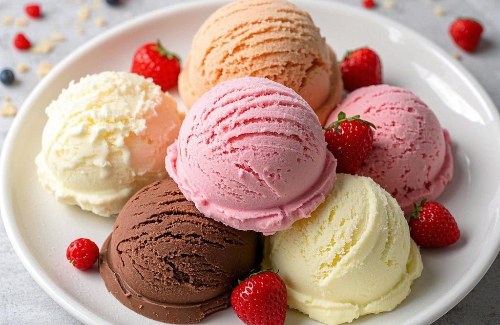
Ice cream is a frozen foam — a mixture of fat globules, air cells, ice crystals, and water, all held together in a fragile structure. Without emulsifiers, fat separates, air cells grow unevenly, ice crystals coarsen, and the product melts too quickly.
Emulsifiers manage fat behavior at every stage of production:
# Stabilize the emulsion during mix preparation and aging
# Promote controlled fat aggregation during freezing — essential for overrun, dryness, and body
# Limit ice crystal growth during hardening and storage
# Improve heat shock resistance — protecting texture when temperature fluctuates during distribution and retail
# Enhance shape retention after scooping or on the stick
Emulsifiers vs. stabilizers: Emulsifiers manage fat. Stabilizers (guar gum, carrageenan, etc.) manage water. Both are used in commercial ice cream — they do different jobs and cannot replace each other.
How Emulsifiers Work in Ice Cream
The mechanism works in three stages through the production process.
Stage 1 — Aging (4°C, 4–24 hours). After homogenization, milk fat globules (0.5–2 µm) are coated with proteins that keep them stable. Emulsifiers gradually displace these proteins from the globule surface, making the globules less stable. That instability is the key to good ice cream structure.
Stage 2 — Freezing and Whipping As air is incorporated in the continuous freezer, shear forces cause the destabilized fat globules to partially stick together — a process called partial coalescence. This builds a fat network that surrounds and stabilizes air bubbles, giving ice cream its dryness, structure, and overrun. Without emulsifiers, fat stays protein-coated, air cells are poor, and the product comes out wet and heavy.
Stage 3 — Hardening and Storage The emulsifier-reinforced fat structure limits ice crystal growth and protects texture during temperature cycling — the main cause of icy, gritty ice cream on retail shelves.
Main Emulsifiers Used in Ice Cream
Mono- and Diglycerides (DMG / E471)
What it is: Produced from vegetable or animal fats by glycerolysis. Available in standard grade or as distilled monoglycerides (≥90% monoglyceride) for stronger performance. Saturated DMG — based on stearic and palmitic acids — is preferred in ice cream because it forms stable α-crystals that aggregate effectively during freezing.
What it does:
# Displaces milk proteins from fat globule surfaces during aging
# Drives partial coalescence during freezing
# Delivers overrun, dryness, body, and heat shock resistance
DMG is the most widely used ice cream emulsifier globally and the standard baseline for almost every commercial formulation.
Typical dosage: 0.1–0.4% (distilled); 0.2–0.5% (standard DMG). Best for: All ice cream types, soft serve, frozen yogurt, novelty bars
What it is: A water-soluble, high-HLB (~15) emulsifier made by ethoxylating Sorbitan Monooleate. Strongly hydrophilic and highly surface-active.
What it does:
# Most powerful fat destabilizer among ice cream emulsifiers
# Aggressively displaces milk proteins, promoting vigorous fat aggregation during freezing
# Produces excellent dryness, high overrun, and strong heat shock resistance
# Particularly effective in soft-serve and low-fat applications
Caution: Excess Polysorbate 80 causes churning — fat aggregates into butter-like granules, leaving a greasy texture. Keep within recommended limits, especially in soft-serve machines.
Typical dosage: 0.02–0.06% alone; 0.015–0.04% combined with DMG. Best for: Soft serve, low-fat ice cream, novelties requiring high dryness
Polysorbate 65 (E436)
What it is: Similar to Polysorbate 80 but based on stearic acid (saturated). HLB ~10.5. A gentler fat destabilizer with better flavor stability — stearic acid does not oxidize, so it can be used at higher levels without producing off-flavors.
Fat destabilizing power ranking: Polysorbate 80 > Polysorbate 40 > Polysorbate 60 > Polysorbate 65 — the mildest of the group, and safest for flavor-sensitive products.
Typical dosage: 0.05–0.10% Best for: Premium ice cream, long shelf-life novelties, flavor-sensitive formulations
Sorbitan Monostearate / Span 60 (E491)
What it is: A lipophilic (HLB 4.7), waxy solid emulsifier made from sorbitol and stearic acid. Works at the fat side of the emulsion.
What it does:
# Stabilizes fat globules during mix preparation and homogenization
# Promotes α-fat crystal formation — these crystals surround and lock in air bubbles during freezing
# Limits ice crystal growth during storage
# Improves shape retention and heat shock resistance
Span 60 is often paired with a high-HLB emulsifier (Polysorbate 60 or 80) for a balanced system that covers both the fat and water sides of the interface.
Typical dosage: 0.20–0.30% Best for: Standard and premium ice cream, novelty bars, products targeting smooth texture and firm shape
Lecithin (E322)
What it is: A natural phospholipid from soy, sunflower, or egg yolk. The most recognized clean-label emulsifier in food.
What it does:
# Gently disperses fat throughout the mix
# Improves wetting and rehydration of dry ingredients
# Contributes a smooth, clean mouthfeel
# Has limited fat-destabilizing ability compared to DMG or polysorbates
Limitation: Lecithin alone does not provide adequate fat destabilization for commercial ice cream — research confirms poor dryness and texture scores when used as the sole emulsifier. It works best combined with DMG or Span 60.
Egg yolk lecithin is valued in artisan and premium ice cream for both its emulsification and rich flavor contribution. Sunflower lecithin (non-GMO, allergen-free) is increasingly preferred in clean-label and plant-based products.
Typical dosage: 0.1–0.5% Best for: Artisan and premium ice cream, plant-based frozen desserts, clean-label formulations
Propylene Glycol Monostearate (PGMS)
What it is: Produced by esterifying propylene glycol with stearic acid. Lipophilic (HLB ~3.4), specialized for α-crystal nucleation in fat.
What it does: Promotes the formation of α-fat crystals — the polymorph that best stabilizes air cells during freezing — resulting in very high overrun, small and uniform air cells (below 50 µm), and strong heat shock resistance. Often combined with Sorbitan Tristearate (Span 65) and unsaturated monoglycerides.
Typical dosage: 0.2–0.5% Best for: High-overrun novelties and products with demanding heat shock requirements
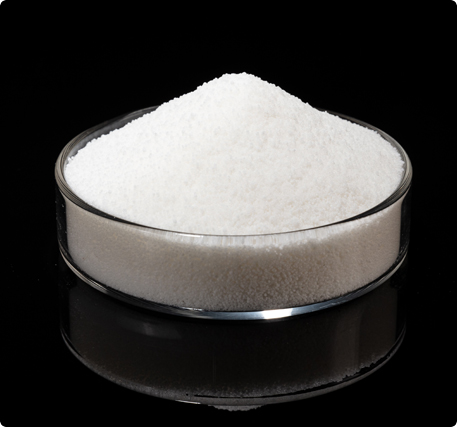
.jpg)
Emulsifier Comparison Table
| Emulsifier |
E No. |
HLB |
Primary Function |
Dosage |
Best Application |
| Mono- & Diglycerides (DMG) |
E471 |
~3.8 |
Fat destabilization; overrun; body |
0.2–0.5% |
All ice cream types; soft serve |
| Distilled Monoglycerides |
E471 |
~3.8 |
Stronger destabilization; α-crystals |
0.1–0.4% |
Premium ice cream; novelties |
| Polysorbate 80 |
E433 |
~15 |
Powerful drying; high overrun; heat shock |
0.02–0.06% |
Soft serve; low-fat; light ice cream |
| Polysorbate 65 |
E436 |
~10.5 |
Moderate drying; flavor stability |
0.05–0.10% |
Premium; flavor-sensitive products |
| Sorbitan Monostearate (Span 60) |
E491 |
4.7 |
α-crystals; shape retention; ice crystal control |
0.20–0.30% |
Standard; premium; novelty bars |
| Lecithin |
E322 |
~4–9 |
Gentle emulsification; clean label |
0.1–0.5% |
Artisan; plant-based; clean-label |
| PGMS |
— |
~3.4 |
α-crystal formation; very high overrun |
0.2–0.5% |
High-overrun novelties |
Choosing and Blending Emulsifiers by Product Type
The best emulsifier systems combine a low-HLB emulsifier (fat side) with a high-HLB emulsifier (water side). This dual approach covers both sides of the fat-water interface and outperforms any single emulsifier.
Standard commercial ice cream (10–14% fat): DMG 0.20–0.30% + Polysorbate 80 0.02–0.04%. Total ~0.25–0.34%. The most widely used combination globally.
Soft-serve: Same blend, but watch Polysorbate 80 dosage closely — churning risk is higher at soft-serve draw temperatures.
Low-fat ice cream (2–6% fat): Polysorbate 80 + high-purity distilled monoglycerides (70% α-monoglyceride). Both have been shown to improve whipping ability above control in low-fat applications.
Premium / clean-label: Sunflower lecithin 0.2–0.4% + distilled monoglycerides 0.1–0.2% + Span 60 0.1–0.2%. All plant-based, certifiable Halal and Kosher.
Plant-based frozen desserts: Sunflower lecithin (non-GMO, allergen-free) + plant-oil-derived DMG. Replaces dairy-based fat structuring without animal-derived inputs.
Novelty bars and stick products: Span 60 0.2–0.3%, or PGMS + Sorbitan Tristearate + unsaturated monoglycerides for maximum heat shock resistance and small, uniform air cells.
Regulatory Status
| Emulsifier |
FDA (USA) |
EU |
China GB 2760 |
Halal / Kosher |
| Mono- & Diglycerides (DMG) |
GRAS |
E471 |
Approved |
Certifiable (vegetable oil) |
| Polysorbate 80 |
GRAS |
E433 |
Approved |
Certifiable |
| Polysorbate 65 |
GRAS |
E436 |
Approved |
Certifiable |
| Sorbitan Monostearate (Span 60) |
GRAS |
E491 |
Approved |
Certifiable (vegetable source) |
| Lecithin |
GRAS |
E322 |
Approved |
Certifiable (soy, sunflower) |
Maximum use levels vary by market and product category. Confirm applicable limits for your target market before finalizing formulations.
Frequently Asked Questions
Q: What is the most common emulsifier in ice cream? Mono- and diglycerides (DMG / E471) — used in virtually all commercial ice cream globally, in standard or distilled monoglyceride form.
Q: What does Polysorbate 80 do in ice cream? It powerfully destabilizes fat globules, driving fat aggregation during freezing for excellent dryness, high overrun, and heat shock resistance. Use at 0.02–0.06% — excess causes churning and a greasy texture.
Q: Can I use lecithin alone in ice cream? Not effectively for commercial production. Lecithin alone delivers poor dryness and texture. Use it in combination with DMG or sorbitan esters, or in artisan products with lower fat-structure demands.
Q: Which emulsifier is best for low-fat ice cream? Polysorbate 80 combined with high-purity distilled monoglycerides (70% α-monoglyceride). Both outperform lecithin alone and improve whipping ability in low-fat mixes.
Q: What is the difference between Polysorbate 80 and Polysorbate 65? Polysorbate 80 is more powerful but can cause off-flavors at higher doses. Polysorbate 65 is gentler, more flavor-stable, and preferred for premium or long shelf-life products.
Q: What does Span 60 do in ice cream? It promotes α-fat crystal formation, stabilizes the emulsion, limits ice crystal growth, and improves shape retention and heat shock resistance. Typically used at 0.2–0.3% of mix weight.
Q: Do emulsifiers affect ice cream flavor? At recommended dosages, most do not. Polysorbate 80 at excess can produce off-notes in regular-fat ice cream. Soy lecithin in excess can taste slightly beany. Polysorbate 65, Span 60, and DMG have good flavor neutrality.
Chemsino Ice Cream Emulsifier Products
Chemsino has supplied food-grade emulsifiers to ice cream manufacturers and frozen dessert producers in 50+ countries since 2006.
| Product |
E Number |
Grade |
| Distilled Monoglycerides (DMG) |
E471 |
Food Grade ≥90% monoglyceride |
| Mono- and Diglycerides |
E471 |
Food Grade |
| Sorbitan Monostearate (Span 60) |
E491 |
Food Grade |
| Polysorbate 60 |
E435 |
Food Grade |
| Polysorbate 80 |
E433 |
Food Grade |
| Lecithin (Soy / Sunflower) |
E322 |
Food Grade |
ISO 9001 · ISO 22000 · Halal · Kosher certified. Full documentation: COA, TDS, MSDS. Free samples available. Ships in 15–20 days.

 Emulsifier List
 About Us