Home
Products
Emulsifier List
Application
Gallery
News
Blog
About Us
About Us
Contact Us
Your Position : Home > Blog

Emulsifier and Stabilizer Solutions for Cloudy Plant-Based Yogurt Drinks

Date:2025-09-17
Read:
Share:
Plant-based yogurt drinks are popular for their rich plant nutrients and robust flavor. However, in practice, manufacturers often face issues such as cloudiness, phase separation, and sedimentation. Strategic combinations of emulsifiers and stabilizers can effectively solve them.


Why Cloudiness Happens in Plant-Based Yogurt Drinks?


Unlike traditional dairy yogurt, plant-based versions rely on ingredients such as soy, oats, almonds, coconut, or peas. These raw materials contain proteins, oils, and fibers with varying particle sizes and surface properties. During processing and storage, these particles can settle or clump, creating layers or a grainy texture.

Instability is worsened by low-fat formulations, acidic pH (4.0–4.5), and heat treatments that denature proteins. Without proper stabilization, drinks may separate into liquid and solids, reducing consumer appeal.


The Role of Emulsifiers


Emulsifiers reduce surface tension between oil and water, helping fats mix evenly in plant-based yogurt drinks. They prevent separation, improve creaminess, and enhance shelf life. Recommended Emulsifiers:

Glycerol Monostearate (GMS 90%): Ideal for oat, almond, and soy drinks; enhances fat dispersion and creates a smooth, creamy texture.

Polysorbate 60 / 80 (Tween Series): Works well in coconut-based drinks with higher oil content; maintains uniform fat distribution and improves whiteness.

Citric Acid Esters of Mono- and Diglycerides (CITREM): Suitable for fermented plant-based drinks; tolerates low pH and improves protein-fat interaction.

Lecithin (Soy or Sunflower): A clean-label option; provides natural emulsification and a light, creamy mouthfeel without altering flavor.

Propylene Glycol Monostearate (PGMS): Supports fat dispersion and stabilizes emulsions; effective in low- to medium-fat plant-based beverages.

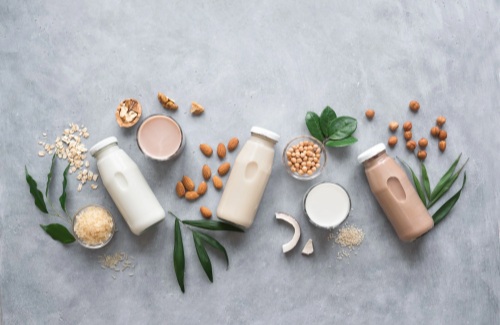
Emulsifiers in plant-based yogurt drinks


The Role of Stabilizers


While emulsifiers manage fats, stabilizers or hydrocolloids prevent sedimentation and maintain smooth flow. They work by increasing viscosity and forming a network that suspends solids. Common stabilizers include:

Pectin: Great for fruit-flavored yogurts; forms a gel network in acidic conditions.

Guar Gum: Adds thickness and improves mouthfeel, ideal for low-fat drinks.

Xanthan Gum: Excellent for stabilizing suspensions and enhancing pourability.

Gellan Gum: Forms strong gels and improves texture, especially in acidic plant-based beverages.

Carrageenan: Provides gel structure and prevents phase separation, commonly used in coconut and soy yogurt drinks.


Synergistic Emulsifier-Stabilizer Combinations


Pairing the right emulsifier with a complementary stabilizer helps control fat, prevent sedimentation, and maintain a creamy, stable texture throughout shelf life.
 
Plant-Based Yogurt Type Emulsifier(s) Stabilizer(s) Function / Benefit
Oat Yogurt Drinks GMS 90% Xanthan Gum GMS 90% ensures smooth fat dispersion; xanthan gum suspends oat fibers, improving pourability and resulting in a creamy, uniform drink.
Almond Yogurt Drinks Polysorbate 60 Guar Gum Polysorbate 60 keeps almond oil evenly distributed; guar gum adds body and mouthfeel, prevents separation, especially in low-fat drinks.
Coconut Yogurt Drinks CITREM Pectin, Gellan Gum CITREM stabilizes high oil content and tolerates acidic fermentation; pectin forms a gel network; gellan gum strengthens gel, reducing phase separation.
Soy Yogurt Drinks Lecithin Carrageenan, Xanthan Gum Lecithin disperses soy proteins and fats; carrageenan builds gel structure to prevent whey-off; xanthan gum ensures smooth flow and pourability.
Low- to Medium-Fat Plant-Based Drinks PGMS Guar Gum, Gellan Gum PGMS aids fat dispersion; guar gum increases viscosity and mouthfeel; gellan gum strengthens the network for long-term stability and creaminess.


Key Considerations for Emulsifier and Stabilizer Use


1. Base Composition and pH


Select emulsifiers and stabilizers based on fat, protein, fiber content, and acidity of the plant-based drink.

Use pH-tolerant ingredients like CITREM or pectin for fermented or acidic formulations.

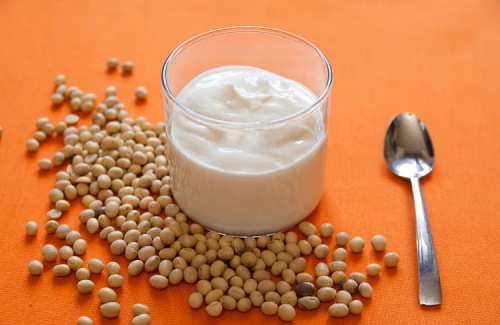
Emulsifiers and stabilizers in plant-based yogurt drinks


2. Synergy and Dosage


Combine emulsifiers and stabilizers to ensure uniform fat dispersion, creamy mouthfeel, and minimal sedimentation.

Adjust dosages within recommended ranges and validate through pilot trials for each formulation.


3. Processing Conditions


Proper mixing, homogenization, and heat treatment are crucial for emulsifier hydration and stabilizer network formation.

Optimized processing ensures smooth texture, stability, and consistent product quality.


4. Storage and Shelf-Life


Test the final drink under expected storage conditions to prevent separation, cloudiness, or texture changes.

Consider clean-label options (lecithin, gellan gum, pectin) and ensure compliance with regulatory standards.


Conclusion


Cloudy plant-based yogurt drinks can achieve both mouthfeel and visual appeal with the right emulsifiers and stabilizers. By optimizing the ingredient combination and process, manufacturers can create smooth, stable beverages that meet consumer expectations.
 
Start earning substantial
profits in your country today!
Email
Whatsapp