Propylene glycol (E1520) is one of the most versatile and valuable multifunctional ingredients. Although it’s often associated with industrial or cosmetic applications, propylene glycol plays several important roles in food processing — helping manufacturers achieve the perfect texture, stability, and freshness that consumers expect.
In this article, we’ll explore what propylene glycol is, its key benefits in food applications, and why it has become an essential ingredient across multiple food categories.
What Is Propylene Glycol (E1520)?
Propylene glycol, also known as 1,2-propanediol, is a colorless, odorless, and slightly viscous liquid that mixes easily with water, alcohol, and many organic compounds. Its chemical formula is C₃H₈O₂, and it is identified in the food additive system as E1520.
It is classified by the FDA and EFSA as Generally Recognized as Safe (GRAS) when used in regulated amounts. Due to its low toxicity and wide solubility range, propylene glycol is used not only as a solvent but also as a humectant, stabilizer, and carrier for flavors and colors in foods.
Main Benefits of Propylene Glycol in Food
1. Excellent Moisture Retention (Humectant Function)
Propylene glycol helps maintain the right moisture level in foods, preventing them from drying out during processing or storage.
This is especially important for baked goods, candies, and soft desserts, where moisture directly affects texture and shelf life. By binding water molecules, E1520 keeps products soft, chewy, and fresh for longer periods.
2. Effective Solvent for Flavors and Colors
Many flavoring oils and food colorants are not water-soluble. Propylene glycol acts as a universal carrier, allowing these components to dissolve uniformly in both water-based and oil-based systems.
That's why it is widely used in vanilla extracts, flavor concentrates, and beverage syrups — ensuring consistent flavor distribution throughout the final product.
3. Enhances Product Stability
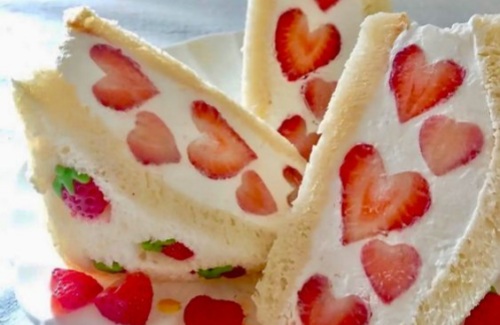
Propylene glycol helps stabilize emulsions, preventing separation in products such as salad dressings, sauces, and flavored creams.
It also inhibits the formation of ice crystals in frozen desserts, improving the smoothness and creamy mouthfeel of ice cream and frozen dough.
4. Extends Shelf Life
Because of its humectant and preservative properties, propylene glycol helps extend product shelf life by reducing moisture loss and microbial growth.
This makes it especially beneficial for packaged baked goods, icing, and frostings, which need to remain stable during long storage and transportation.
5. Safe and Versatile for Food Formulations
Compared with other polyols like glycerol, propylene glycol offers lower viscosity, less sweetness, and better solubility with certain food ingredients — giving formulators more flexibility in designing stable food systems.
Applications of Propylene Glycol (E1520) in Food Industry
Propylene glycol is used across many food categories, each benefiting from its multifunctionality:
1. Bakery Products
In cakes, muffins, and pastries, E1520 helps retain moisture, keeping baked goods soft and fresh. It also improves the texture and stability of icings and fillings by preventing sugar crystallization.
2. Beverages and Flavored Syrups
Propylene glycol is an excellent flavor and color carrier. It ensures uniform dispersion of flavors and essential oils in soft drinks, alcoholic beverages, and syrups — providing a consistent taste experience.
3. Dairy and Frozen Desserts
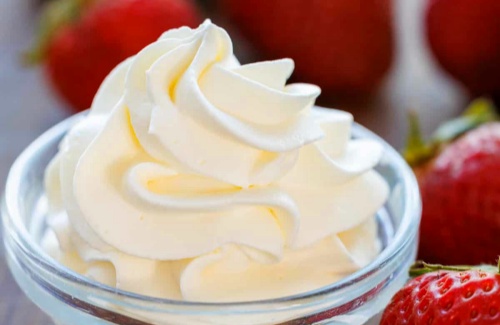
In ice cream, whipped toppings, and frozen dough, E1520 prevents ice crystal formation, ensuring a smooth, creamy structure and maintaining product quality during freezing and thawing.
4. Candy and Confectionery
E1520 controls crystallization in sugar systems, maintaining the desired chewiness in caramels, taffy, and soft candies. It also helps prevent stickiness and improves product handling during production.
5. Food Coloring and Flavoring Formulations
Propylene glycol is widely used as a solvent in flavor and color concentrates, enhancing stability and flow properties. This makes it an ideal medium for natural and synthetic flavors used by food and beverage manufacturers.
Why Propylene Glycol (E1520) Is Preferred in Modern Food Formulation?
# High safety profile – Approved by major regulatory bodies (FDA, EFSA, FAO/WHO).
# Excellent compatibility – Works well with emulsifiers, stabilizers, and preservatives.
# Improved texture and stability – Essential for moisture control and emulsion consistency.
# Wide formulation flexibility – Suitable for both water- and oil-based systems.
In short, propylene glycol isn’t just a solvent — it’s a functional ingredient that improves quality, consistency, and consumer satisfaction in a wide range of food products.
Final Thoughts
From bakery and confectionery to beverages and frozen foods, propylene glycol (E1520) plays a vital role in modern food manufacturing. Its ability to maintain moisture, stabilize emulsions, carry flavors, and extend shelf life makes it one of the most useful and adaptable ingredients in the food industry.
If you are searching for a reliable source of food-grade Propylene Glycol E1520, CHEMSINO offers high-quality solutions that meet international standards and application needs. Get in touch with us today for the best quotes and free samples.

 Emulsifier List
 About Us