Home
Products
Emulsifier List
Application
Gallery
News
Blog
About Us
About Us
Contact Us
Your Position : Home > Blog

A Complete Guide to Glycerol Monostearate (GMS)

Date:2024-06-26
Read:
Share:
Glycerol Monostearate (GMS) is a versatile compound widely used across various industries, particularly in food, pharmaceuticals, and cosmetics. This article provides a comprehensive overview of GMS E471 additive, detailing its properties, features, types, and applications.

Properties of Glycerol Monostearate

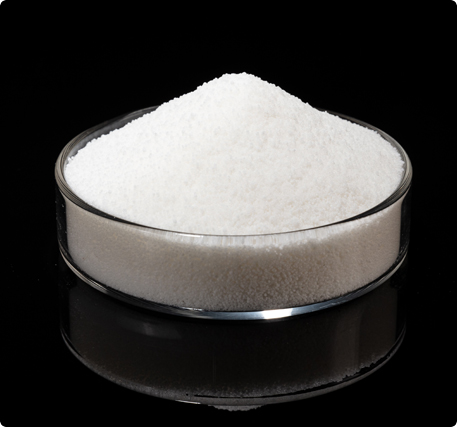
GMS, chemically known as glyceryl monostearate, is a monoglyceride commonly used as an emulsifier. Its chemical formula is C21H42O4, and it appears as a white, odorless, and sweet-tasting flaky powder or wax-like solid. Here are some key properties:
Solubility: GMS is soluble in ethanol, chloroform, and hot oils but insoluble in water.
Melting Point: The melting point of GMS is approximately 58-68°C (136-154°F), depending on its purity and specific composition.
Hydrophilic-Lipophilic Balance (HLB): GMS has an HLB value around 3.8-5.4, making it more lipophilic, which is suitable for oil-in-water emulsions.
Stability: It is stable under normal conditions and exhibits excellent shelf-life properties.

Glycerol Monostearate (GMS) emulsifier


Features of Glycerol Monostearate


GMS possesses several notable features that make it valuable in various applications:
1. Emulsifying Agent: GMS is widely used as an emulsifier, helping to stabilize and maintain the mixture of oil and water, preventing separation.
2. Thickening Agent: It acts as a thickening agent, improving the texture and consistency of products.
3. Stabilizer: GMS helps in stabilizing formulations, enhancing shelf life and product performance.
4. Lubricant: It functions as a lubricant in pharmaceutical tablets and capsules, ensuring smooth manufacturing processes.
5. Controlled Release: In pharmaceuticals, GMS can be used to control the release of active ingredients, ensuring a sustained effect.


Types of Glycerol Monostearate (GMS)


There are two main types of GMS, differentiated by their purity and manufacturing process:

1. Commercial Grade GMS: This type contains a mixture of mono-, di-, and triglycerides, with the monoglyceride content typically ranging from 40% to 60%. It is commonly used in food applications.
2. Distilled GMS: This is a higher purity form, containing 90% to 95% monoglycerides. It is used in more specialized applications, such as pharmaceuticals and cosmetics, where higher efficacy and purity are required.


Uses of Glycerol Monostearate (GMS)


Glycerol Monostearate (GMS) is a versatile compound with numerous applications across various industries due to its properties as an emulsifier, stabilizer, thickener, and lubricant. Below, we explore the detailed applications of GMS in different sectors:


1. Food Industry


Emulsification:
Baked Goods: GMS improves the texture, volume, and shelf life of breads, cakes, and pastries by preventing staling and maintaining moisture.
Ice Cream: It stabilizes the mixture, prevents the formation of ice crystals, and enhances the creamy texture.
Margarine and Spreads: GMS helps maintain a smooth, spreadable consistency and prevents the separation of oil and water.

Anti-Staling Agent:
Bread and Bakery Products: By retaining moisture, GMS keeps baked goods soft and fresh for a longer period.

Fat Replacement:
Low-Fat Foods: Used in reduced-fat spreads and margarines, GMS mimics the mouthfeel and texture of fats without the additional calories.

Thickening and Stabilizing:
Sauces and Dressings: GMS is used to thicken and stabilize emulsions, ensuring a consistent texture and preventing separation.


Glycerol Monostearate (GMS) in baking

2. Pharmaceutical Industry


Excipient:
Tablet and Capsule Manufacturing: GMS acts as a lubricant and binding agent, aiding in the production process and enhancing the stability and bioavailability of drugs.

Controlled Release:
Sustained Release Formulations: GMS is used to control the release of active ingredients over time, ensuring a sustained therapeutic effect.

Stabilizer:
Medicinal Suspensions: It helps stabilize suspensions, preventing active ingredients from settling.


3. Cosmetics and Personal Care


Emulsification:
Creams and Lotions: GMS is used to create stable emulsions, improving the texture and consistency of cosmetic products.
Sunscreens: It maintains the homogeneity of formulations, ensuring even application.

Thickening:
Ointments and Gels: GMS provides the desired thickness and stability to topical formulations.

Moisturizing:
Skin Care Products: GMS acts as a moisturizer, helping to hydrate and soften the skin.

Stabilization:
Hair Care Products: It stabilizes shampoos and conditioners, providing a consistent texture and performance.


4. Industrial Applications


Plastics and Polymers:
Dispersing Agent: GMS is used to disperse pigments and fillers uniformly in plastic manufacturing.
Lubricant: It acts as a lubricant in the production of plastic products, improving process efficiency and product quality.

Textiles:
Antistatic Agent: GMS reduces static electricity in textile processing, improving the handling of synthetic fibers.
Softener: It provides a soft and smooth finish to fabrics.

Lubricants:
Metalworking: GMS is used as a lubricant in metalworking fluids, reducing friction and wear on tools and workpieces.


Final Thoughts


Glycerol Monostearate (GMS) is a highly versatile compound with extensive applications across multiple industries. Its unique properties as an emulsifier, thickening agent, stabilizer, and lubricant make it indispensable in food production, pharmaceuticals, cosmetics, and beyond. Whether in enhancing the shelf life of baked goods, improving the texture of cosmetics, or ensuring the controlled release of pharmaceuticals, GMS proves to be an essential ingredient in a wide array of products.

Henan Chemsino Industry Co., Ltd is a sourcing Glycerol Monostearate supplier. We provide excellent GMS emulsifier with various forms, including GMS powder 40%/ 52%/ 60%, GMS high purity 90%, GMS liquid, GMS flake, GMS tablets, etc. Contact us to learn more about how GMS can meet your specific needs and elevate your product formulations to the next level. Reach out now and let our experts help you harness the full potential of GMS in your industry!
Related Blog
Unlock the Power of Compound Emulsifiers for Food
12 Feb 2025
In modern industrial production, emulsifiers are indispensable functional ingredients widely used in food, cosmetics, pharmaceuticals applications. However, single emulsifiers often struggle to meet complex product requirements. Compound emulsifiers, which are mixtures of two or more emulsifiers, are emerging as a versatile solution that is gaining popularity across industries. This blog will explore the advantages, applications, and how compound emulsifiers can deliver exceptional performance for your products.
Polysorbate 80 Powder- Amazing Emulsifier and Stabilizer
23 Oct 2023
Polysorbate powder is a compound produced by reacting ethylene oxide, sorbitol, and oleic acid with each other. It belongs to a group of synthetic nonionic surfactants. Polysorbate 80 is popularly consumed as a safe emulsifier and stabilizer in the food, cosmetics, and pharmaceutical industries.
Emulsifiers for Edible Oils The Key to Quality and Stability
16 Apr 2025
Emulsifiers play a vital role in the food industry, especially in edible oils. They help blend oil and water, prevent separation, and enhance the texture, consistency, and stability of food products. For food manufacturers, choosing the right emulsifier can not only improve product quality but also boost production efficiency. Today, we’ll explore some of the most common emulsifiers used in edible oils and highlight CHEMSINO’s high-performance emulsifiers: Polysorbate 80, PGMS emulsifier, and DATEM.
Start earning substantial
profits in your country today!
Email
Whatsapp