Home
Products
Emulsifier List
Application
Gallery
News
Blog
About Us
About Us
Contact Us
Your Position : Home > Blog

Thickener for ice cream

Date:2022-11-25
Read:
Share:
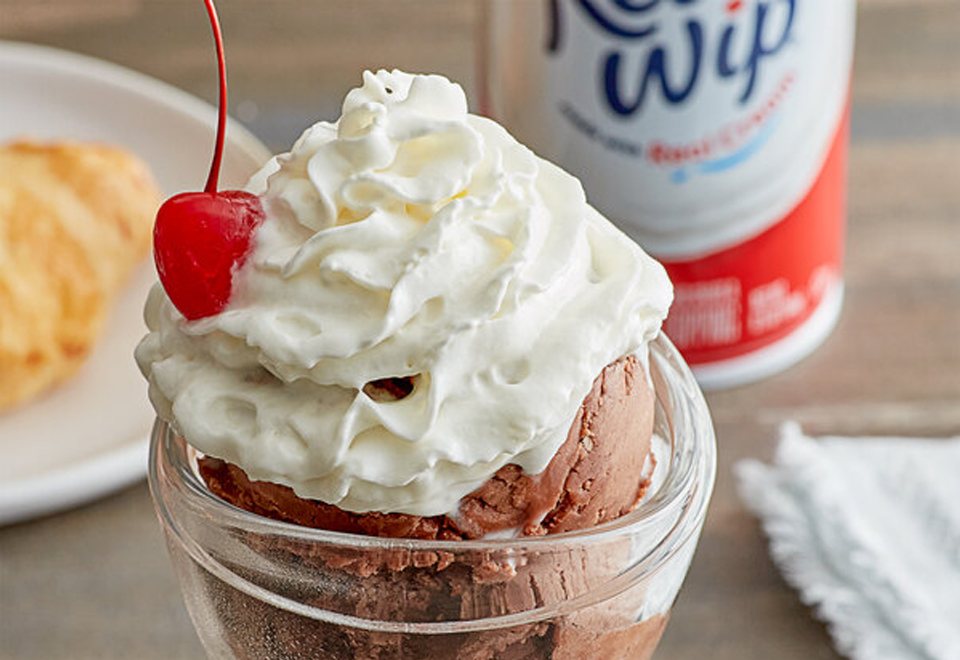
The common thickeners in non-dairy ice creams are guar gum, xanthan gum, acacia gum, carrageenan, and locust bean gum. These ingredients are added to enhance the texture of liquid to mimic the viscosity of a rich creamy ice cream. Guar, acacia, and xanthan gum can all be added to a recipe while cold.

They can be blended into a recipe without needing to heat for them to activate. These ingredients are all similar in that they are thickener but they all have slightly different thickening properties. Guar creates a smooth creamy texture. Xanthan gum has a slick, mouth coating effect but if used in too high of a ratio the ice cream can become chewy. Acacia gum is a low viscosity thickener and is best used for minor adjustments in texture and mouthfeel. Locust bean gum and carrageenan are thickeners/gelling agents. When blended into a recipe they will slightly thicken the ice cream base, but the real magic comes when they are heated. Carageenan is a gelling agent that comes in a few different forms. The two we will focus on are Kappa and Iota. Kappa carageenan forms a firm brittle gel and iota forms a soft creamy gel. Each of these can work in non-dairy ice cream or they can be combined to melt the two textures to perfect them for your recipe. Locust bean gum will gel if it is added to a recipe that contains guar gum and then is heated. This is a special synergistic effect that happens between these two ingredients. This will give the ice cream a rich, dense texture. All of these thickeners can be combined to create the perfect gelato or ice cream texture. This issue is getting the ratio correct between these ingredients can be very tough. So thankfully we have done the work for you, Our Perfect ice cream, Perfect gelato and Perfect sorbet all work with non-dairy frozen treats. Perfect ice cream allows for good “overrun” a term used for the addition of air to the ice cream for a smooth light texture. Perfect gelato creates a rich, dense texture. Perfect sorbet covers the ice crystals like a boss for the smoothed fat free frozen treats. We suggest giving these all a try and sharing your results with us. So the next time you are looking to improve your non-dairy ice cream look to this guide as a way to find the best stabilizer for the job.

Not all ice creams are created equally. If you're using fruit, acidic ingredients or alternative milks, it may be tough to achieve that rich, thick texture that makes ice cream so indulgent. Thankfully, you have multiple options for thickening the ice cream base, ranging from pantry staples such as eggs and flour to alternatives such as gelatin.
 
Related Blog
What are the Emulsifiers in Dairy Products
06 Jan 2025
In dairy production, many manufacturers constantly seek ways to improve product stability, texture, and shelf life. One of the most critical components in achieving these goals is the use of emulsifiers. These ingredients play an essential role in stabilizing the mixture of fat and water in dairy products, preventing separation and ensuring a smooth, uniform texture. This article will explore common dairy emulsifiers and how they help create quality products that meet consumer needs. Understanding emulsifiers gives us a better grasp of dairy production.
What Is Glyceryl Stearate (GMS) Emulsifier Used For
17 Apr 2024
Glyceryl stearate is indeed a versatile emulsifying agent utilized not only in cosmetics and skincare products but also in food formulations. This article will delve into Glyceryl stearate's role as an emulsifier, highlighting its advantages across various applications including food and skincare products.
Compound Emulsifiers: Types, Methods, and Applications
09 Sep 2024
Food emulsifiers are vital in creating stable mixtures of immiscible liquids, such as oil and water, and they make up about half of the total food additives used. However, single emulsifiers often have limitations. Using compound emulsifiers, which combine different emulsifiers, helps achieve better performance and effectiveness by leveraging their synergistic effects. This blog post covers the three types of compound emulsifiers, their blending methods, and their applications in food production.
Start earning substantial
profits in your country today!
Email
Whatsapp