Home
Products
Emulsifier List
Application
Gallery
News
Blog
About Us
About Us
Contact Us
Your Position : Home > Blog

Glycerol Monostearate (GMS) Uses and Suppliers

Date:2024-07-03
Read:
Share:
Glycerol Monostearate (GMS) emulsifier is highly regarded for its versatile applications across multiple industries, offering a wide array of benefits. It plays a pivotal role in enhancing the texture and quality of food products, as well as finding extensive use in cosmetics and plastics.

This article explores the manifold uses of Glycerol Monostearate in diverse industrial sectors, distinguishing it from glycerol, and highlights reputable suppliers and producers like CHEMSINO.


What are the Types of Glycerol Monostearate (GMS)?


GMS 40: Contains approximately 40% monostearate. It's often used as an emulsifier in food and cosmetic applications.
GMS 52: Contains around 52% monostearate. This type is commonly used in baking as an emulsifier and stabilizer, particularly in bread and cake mixes.
GMS 60: Contains about 60% monostearate. It's versatile and used in various food products for emulsification and texture improvement.
GMS 90: Contains around 90% monostearate. This type is highly pure and is typically used in food and pharmaceuticals. GMS 90 is also known as DGM (distilled glycerol monostearate), which has the highest level of glycerol monostearate, not less than 90%

The number associated with each type (40, 52, 60, 90) indicates the percentage of monostearate present in the GMS product. The higher the percentage, the more concentrated and potentially more effective it is in its intended use. When purchasing GMS, selecting the appropriate type depends on the specific application and desired functionality in your product formulation.

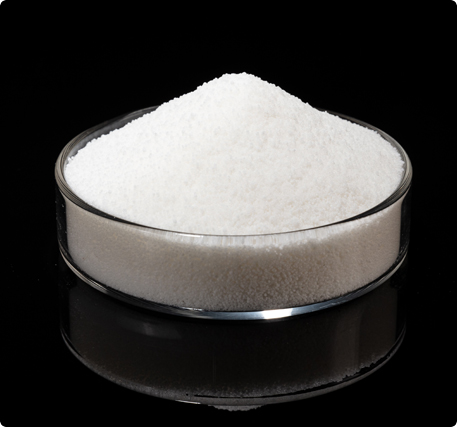
Glycerol Monostearate (GMS) emulsifier


What is Glycerol Monostearate Used For?


1.Glycerol Monostearate Uses in Food


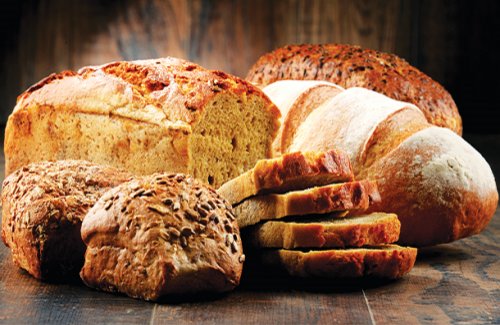
Glycerol Monostearate Uses in Baking
Glycerol monostearate is a multifaceted additive used to enhance the quality of baked goods. Its capacity to retain moisture results in products that are softer and remain fresh for longer periods.

Widely used in baking, glycerol monostearate is found in products such as bread, cookies, cakes, and pastries. Typically, it is incorporated into dough or batter in minimal amounts, generally between 0.5% to 1% of the total weight, to achieve the desired effect.

In addition to its moisture-retention properties, glycerol monostearate also enhances the texture and flavor of baked goods. It helps produce a finer crumb and improves the overall mouthfeel of the product. Moreover, GMS emulsifier aids in preventing staling, thereby extending the freshness of the baked goods.
For those who enjoy baking and wish to elevate their baked goods, incorporating GMS e471 emulsifier into recipes can lead to significant improvements. The difference in texture and taste will be notable in the final product.

Glycerol Monostearate Uses in Ice Cream & Confections & Whipped Toppings

Glycerol monostearate (GMS) in ice cream acts as an effective emulsifier and stabilizer, preventing ice crystal formation and enhancing texture and mouthfeel. It improves the overall quality and shelf life of ice cream by maintaining a smooth and creamy consistency.

Glycerol monostearate emulsifier is used in chocolates, candies, and other confectionery items to improve texture and mouthfeel. It can help prevent chocolate from blooming (developing a whitish layer) and improve the creaminess of fillings.

In whipped creams and toppings, Glycerol monostearate e471 acts as a stabilizer to enhance texture and prevent the collapse of air bubbles, improving firmness and shape retention.


Glycerol Monostearate Uses in Baking

2.Glycerol Monostearate Uses in Cosmetics

Glycerol monostearate (GMS) is a key ingredient widely used in skincare and personal care products, primarily due to its versatility and benefits for the skin. As an effective emulsifier and thickener, Glycerol monostearate emulsifier helps oil and water mix to form stable emulsions. It is commonly used in lotions, creams, and moisturizers to enhance the texture and stability of these products.

In some cosmetics, Glycerol Monostearate acts as a lubricant, improving the spreadability and feel of the product, making it easier to apply and distribute evenly on the skin. In hair care products, GMS can improve the texture of the hair, making it smoother and shinier, while also providing some moisturizing benefits. Overall, GMS emulsifier is a popular choice among cosmetic formulators due to its multifunctionality, skin-friendly nature, and safety.


3.Glycerol Monostearate Uses in Plastics

Lubricant: As a lubricant, glycerol monostearate, in combination with other plasticizers, makes plastic materials more flexible and prevents static electricity formation by neutralizing surface charges.

Anti-fogging Agent: In food packaging, glycerol monostearate serves as an anti-fogging agent, maintaining water in a thin film and preventing the accumulation of water pools.

Antistatic Agent: Acting as an antistatic agent, it keeps dust from adhering to plastics during handling or packaging, which is crucial for packaging items prone to generating static electricity during storage or transport. It is commonly found in microwave popcorn bags to prevent sparks during cooking and in protective packaging like bubble wrap and foam peanuts to prevent static build-up.

Foaming Agent: Glycerol monostearate increases the volume and stability of plastic foams and enhances polymer processability. When added to polystyrene, it significantly increases resistance to stress cracking by up to four times and boosts the stiffness and impact strength of polypropylene.


Glycerol Monostearate vs. Glycerin vs. Glycerol


Glycerol Monostearate (GMS):
Function: GMS is primarily used as an emulsifier and thickener.
Form: Usually a white, waxy powder or flakes.
Applications:
Food: Enhances texture and stability in products like ice cream, baked goods, dairy products, confectionery, frozen desserts, fat emulsions, and sauces.
Cosmetics: Acts as an emollient and moisturizer.

Glycerin (Glycerol):
Function: Glycerin is a humectant, sweetener, and solvent.
Form: Colorless, odorless, viscous liquid.
Properties: Naturally sweet and hygroscopic, meaning it attracts and retains moisture.
Applications:
Food: Retains moisture and improves texture in baked goods, candies, and other foods.
Cosmetics: Used in skin care products for its moisturizing properties.
Pharmaceuticals: Used in medications and syrups.


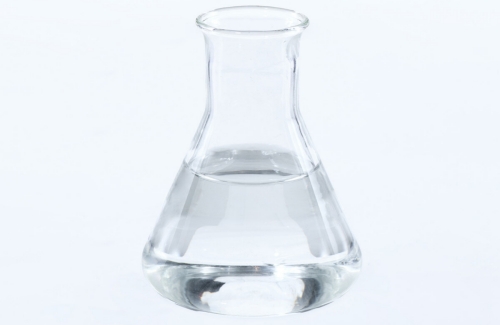
Glycerin (Glycerol)

Are Glycerin And Glycerol The Same?


Yes, glycerin and glycerol refer to the same compound. Glycerin is the commercial name often used in consumer products, while glycerol is the chemical name. Both are simple polyol (sugar alcohol) compounds that are widely used in pharmaceutical formulations, food products, and cosmetics due to their properties as a humectant, solvent, and sweetener.
 

Where to Buy Glycerol Monostearate?


You can buy glycerol monostearate (GMS) from various suppliers, both online and in physical stores. Here are a few options:
Online Retailers: Websites like Amazon, Alibaba, and specialty chemical suppliers often carry GMS.

Chemical Suppliers: Companies that specialize in food additives, cosmetic ingredients, and industrial chemicals typically stock GMS. Examples include CHEMSINO. Welcome to contact us for glycerol monostearate prices and free samples.

Local Stores: Some specialty food stores, baking supply shops, or health food stores might carry GMS in smaller quantities, especially if they cater to home bakers or food manufacturers.
Before purchasing, make sure to check the purity, grade, and intended use (food-grade, cosmetic-grade, etc.) of the GMS to ensure it meets your specific needs.
Related Blog
What is Sodium Stearoyl Lactylate (E481) in Food & is SSL Vegan
What is Sodium Stearoyl Lactylate (E481) in Food & is SSL Vegan?
17 Jul 2024
In the food industry, Sodium Stearoyl Lactylate (E481) is essential for improving texture, enhancing stability, and extending shelf life across a wide range of products, particularly in baked goods and processed foods. This blog aims to explore the versatility of Sodium Stearoyl Lactylate (E481) in various food applications. It also seeks to address common questions about SSL emulsifier, providing comprehensive insights for readers.
Emulsifiers for Edible Oils The Key to Quality and Stability
16 Apr 2025
Emulsifiers play a vital role in the food industry, especially in edible oils. They help blend oil and water, prevent separation, and enhance the texture, consistency, and stability of food products. For food manufacturers, choosing the right emulsifier can not only improve product quality but also boost production efficiency. Today, we’ll explore some of the most common emulsifiers used in edible oils and highlight CHEMSINO’s high-performance emulsifiers: Polysorbate 80, PGMS emulsifier, and DATEM.
What is Polyglycerol Esters of Fatty Acids e475 Emulsifier Used for
31 Jul 2024
Polyglycerol esters of fatty acids are biodegradable emulsifiers made from natural, renewable resources. They are prized for their ability to emulsify, foam, and regulate crystallization, making them valuable in various food applications. This blog post overviews the key characteristics and diverse uses of the e475 emulsifier.
Start earning substantial
profits in your country today!
Email
Whatsapp